
I will never forget the Tuesday I stood on the sidewalk, less than fifty feet from my front door, and searched for my own business on Google Maps. I was not there. Not in the top three, not even in the top ten. I saw a guy three miles away taking my potential customers while I stood there like a ghost. It was the ultimate lightbulb moment that taught me why simply having a mappack listing is not enough to actually get noticed. If you have been wondering why the phone is not ringing despite your perfect profile, you are in the right place. Today, I am pulling back the curtain on why your business is being ignored and how we can finally get you that local pack entry you deserve.
The Frustrating Reality of Being a Ghost in Your Own Neighborhood
For a long time, I made the classic mistake of thinking that proximity was my golden ticket. I figured if I was the closest option, Google would naturally show me first. I was wrong. I fell straight into the proximity trap that keeps so many great local shops hidden. I spent months tweaking things that did not matter while ignoring the NAP error that was quietly killing my credibility. According to a study by BrightLocal, nearly 87% of consumers use Google to evaluate local businesses, which means if you are not in those top three spots, you are essentially invisible to the vast majority of your market. I want to help you avoid the same zero-click fate I suffered through.
Is Local SEO Just a Pay to Play Game Now?
It is easy to feel like the deck is stacked against the little guy, especially when you see big brands or competitors with massive budgets taking up space. But here is the truth: Google wants to show the most relevant, trustworthy result, not just the one with the biggest wallet. I have seen competitors with fewer reviews win because they understood how to rank business maps effectively by focusing on signals that actually move the needle. Have you ever felt like you are doing everything right but still getting passed over for someone across town? It is a common frustration, but it is usually caused by a few specific, fixable blind spots in your map pack placement strategy.
Stop Guessing and Pick Your Primary Category
I once worked with a locksmith who was listed under the primary category of “Security Service.” While technically true, he was completely invisible to anyone searching for an emergency lockout. Google’s algorithm is rigid; it needs you to pick the specific lane that matches user intent. Think of your primary category like the aisle in a grocery store. If you put the milk in the gardening section, nobody is going to find it, no matter how fresh it is. This is exactly why your primary category choice might be killing your local reach. You must align your profile with the specific terms your customers use, which is one of the exact moves to rank business maps in competitive neighborhoods that most business owners overlook in favor of broader, less effective terms.
Clean Up the Messy Data Killing Your Credibility
Your business has a digital fingerprint, and if that fingerprint is smeared, Google won’t trust you. I saw a local dental clinic lose nearly half of their monthly lead volume because their Yelp profile listed an old suite number while their Google profile had the new one. To the algorithm, this looked like two different businesses or, worse, an unreliable one. It is like a witness giving two different stories to a detective; suddenly, the detective does not trust a single word you say. Executing the data cleanup move that fixes inconsistent business listing details is the most boring but essential part of the process. Without a perfectly consistent Name, Address, and Phone number (NAP), your mappack listing will remain stuck on the second page regardless of how many reviews you get.
Turn Your Photos Into a Silent Sales Team
Most people upload one blurry photo of their storefront and consider it done. However, Google uses advanced AI to “read” the content of your images to verify your services. If you are a plumber and you upload clear photos of pipe repairs, specialized tools, and your branded van, you are providing visual proof of your expertise. When I started implementing a strategy of uploading high-resolution, service-specific photos for a landscaping client, we saw their impressions double in thirty days. This is the simple photo tweak that boosts clicks from the business map pack because it builds immediate trust with both the user and the search engine. 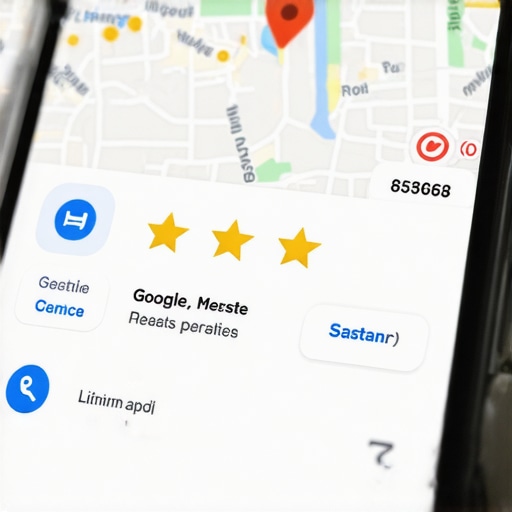
Force the Algorithm to Notice You
The final pillar is interaction. Google does not just want to see that you exist; it wants to see that people care that you exist. This means clicks on your “Website” button, requests for driving directions, and direct phone calls from the search results. I once watched a roofer with only 40 reviews outrank a competitor with 150 because his reviews contained specific keywords like “best emergency roof repair” and “fast leak fix.” The algorithm prioritizes context over raw numbers. You need the review strategy that actually triggers a local pack entry faster by encouraging customers to mention the specific services they received. Following the checklist for fixing a stagnant mappack listing involves more than just asking for five stars; it is about creating a stream of engagement that proves your business is the most relevant answer to a local problem.
One of the biggest lies I hear in local SEO circles is that the business with the most reviews always wins. In my experience, that is a dangerous oversimplification that leads business owners to waste months chasing 5-star ratings while their mappack listing remains stagnant. I have seen businesses with 200 reviews lose to a competitor with 15 simply because the latter had better behavioral signals. According to the 2023 Local Search Ranking Factors study by Whitespark, on-page signals and behavioral interactions (like clicks to call or direction requests) are now massive drivers of a successful local pack entry. If you are just focusing on reviews, you are playing a game from 2015.
Why does my ranking change every time I cross the street?
This is the proximity filter at work, but there is a nuance most people miss. I once consulted for a lawyer who was dominant in the city center but invisible just three miles away in a high-income suburb. We realized his website never mentioned that suburb by name, and his regional backlinks were non-existent. You have to realize that your proximity to the searcher is only half the ranking story. If Google does not see relevance signals for a specific neighborhood, it will drop you the moment the user leaves your immediate block.
Avoid the Service Area trap that kills visibility
Many owners of service-based businesses think that checking every possible city in their service area will help them rank business maps across the whole county. This is a massive mistake. In fact, why most service area pages fail to trigger a local pack entry is because they often contain thin or duplicate content. Google hates greed; if you try to claim too much territory without physical proof of presence, the algorithm will actually filter you out of your core area as a penalty for overreaching. I have seen the service area conflict that secretly blocks your local pack entry ruin perfectly good profiles overnight. 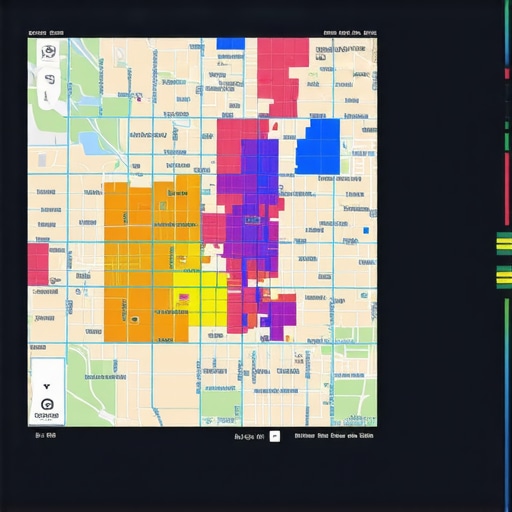
Your website footer is a secret ranking signal
Most people treat their website footer as a place for copyright info and a few social links. But for business map pack success, your footer is your primary anchor. If your footer NAP (Name, Address, Phone) is not wrapped in local schema or, worse, does not match your Google profile exactly, you are creating a trust gap. I once fixed a hidden mappack listing error where the business used a tracking number on their site but their real number on Google. Google bots got confused, and the business dropped out of the top three. This is the discrepancy devaluing your business listing every month that no one talks about. Have you ever fallen into this trap or noticed your rankings jump around for no reason? Let me know in the comments.I have learned the hard way that getting to the top is only half the battle; staying there is where the real profit happens. Too many owners get an initial local pack entry and then take their foot off the gas, only to wonder why they disappeared three weeks later. Maintenance is not just about checking a box; it is about constant, micro-adjustments that keep the algorithm happy and your competitors at bay.
How do I maintain my map pack ranking over time?
Consistency is your best friend in this game. I personally follow a simple checklist for moving up in the business map pack every month, even when I am already sitting in the top spot. This includes responding to every single review within 24 hours, uploading at least three new high-quality photos weekly, and checking for ‘suggested edits’ from users who might be trying to change your hours or website link maliciously.
Stop Trusting Your SEO Agencys Automated PDF
If your agency just sends you a green-and-red report every thirty days, they are likely missing the ‘why’ behind your ranking fluctuations. I recommend you learn how to use a google maps rank tracker to find competitor weak spots yourself. I use grid-based tools that show me a bird’s-eye view of my rankings across a five-mile radius. If I am a #1 in the north but a #8 in the south, I know I need more regional backlinks from that specific southern neighborhood. Joy Hawkins, a leading voice at Sterling Sky, often emphasizes that local search is a game of relevance and prominence, and those factors change block by block.
Pick the Right Tools for the Job
You do not need a massive budget, but you do need precision. I have found that 5 local seo tools that actually find your competitors hidden backlinks can give you the roadmap you need to bridge the gap between a good profile and a dominant one. It is about seeing what the algorithm sees. For instance, if you are struggling with visibility, you should learn how to audit your business map pack for hidden filter issues immediately to ensure you are not being ghosted by a proximity filter. 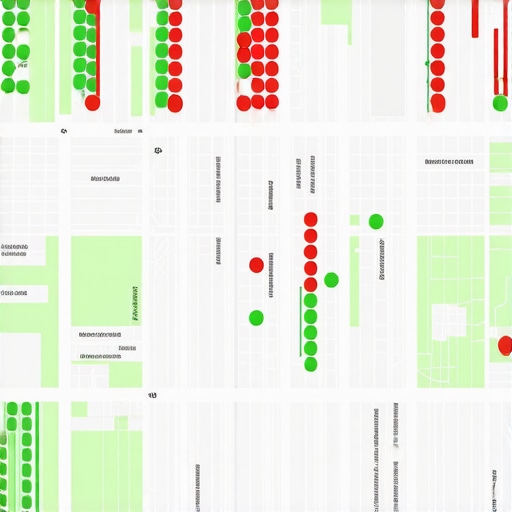
Prepare for the AI-Driven Shift in Local Search
Looking ahead, the core shifts in google maps seo for 2026 every local business needs to prepare for are going to revolve around visual search and zero-click intent. Google will increasingly use its AI models to answer user questions directly from your reviews and photos without them ever clicking to your site. My prediction? In the next 24 months, your ‘engagement density’—the speed and quality of how you interact with users—will outweigh your total review count. Start today by trying one advanced move: go through your top three competitors and find one category they ARE NOT using, then test it on your profile for two weeks. See if that small shift triggers a new local pack entry for you.
What I Discovered While Staring at My Competitor’s Map Ranking
For years, I thought I was losing because I didn’t have a flashy website or the biggest ad budget in the county. But the reality was much simpler: I wasn’t giving Google the behavioral signals it actually craves. I realized that a mappack listing is a living organism; it needs to breathe through consistent user interaction. My biggest lightbulb moment came when I stopped trying to ‘game’ the system and started focusing on the tactic that finally ended our ranking slump in the map pack—answering user questions before they even asked them. I also learned that dominating business map pack rankings is less about a single ‘hack’ and more about the compounding interest of daily, small updates. Finally, I accepted that proximity is a hurdle, not a wall; you can outrank the guy across the street if your relevance signals are loud enough.
My Non-Negotiable Tool Stack
I don’t believe in buying every shiny new software, but I do swear by a few resources that have never led me or my clients astray. First, I always keep an eye on 5 local seo tools that reveal why your competitors are still outranking you because it removes the guesswork from the equation. I also rely heavily on the research coming out of Sterling Sky and Whitespark—their data-driven approach to how to rank business maps is the gold standard for anyone serious about local search. For my monthly workflow, I stick religiously to a simple checklist for moving up in the business map pack every month to ensure I never miss the basics while chasing the latest AI trends.
Stop Being the Best Kept Secret in Town
You have worked too hard on your business to remain invisible to the people walking right past your front door. Securing a consistent local pack entry isn’t a pipe dream; it’s the result of being the most helpful, most consistent, and most verified answer in your neighborhood. Start small today. Fix one citation, upload one high-quality photo of your latest project, or reply to that one review you’ve been ignoring. Every move you make builds your authority and strengthens your map pack placement for the long haul. You have the map, now it is time to take the territory. Which part of your profile are you going to tackle first today—the messy NAP data or your photo gallery? Let me know in the comments below!