
I remember sitting in my work truck three years ago, staring at my phone until my eyes burned. I’d just finished a grueling twelve-hour shift of snake-and-drain calls, and yet, when I searched for an emergency plumber in my own neighborhood, my business was nowhere to be found. Instead, I saw a massive franchise with three thousand reviews—half of which looked like they were written by bots—and a guy whose shop was located twenty miles away. I was paying for leads through third-party apps that felt more like lukewarm scraps than actual jobs. It felt like I was being extorted just to get a phone call in my own backyard. That was the day I realized that if I didn’t figure out how to rank business maps effectively, I would be a slave to lead-gen companies forever. Today, I am going to show you the exact moves I used to claw my way back. We are not talking about buying your way into the top; we are looking at the gritty, free, and highly effective tactics that help you reclaim your map pack spot without a massive marketing budget. Have you ever felt like you are completely invisible on the map even though your shop is right in the center of town? It is a common frustration, but it is one we can fix together.
Stop Feeding the Lead-Gen Monsters
I made a massive mistake early on that I still regret today. I thought buying 100 generic citations from a cheap overseas service would be my golden ticket. I thought volume was the only thing that mattered. Instead, I ended up with a mess of inconsistent data that took me six months to clean up. Google saw those messy listings and lost trust in my business location. According to research from BrightLocal, while 98% of people read online reviews, Google’s actual algorithm prioritizes ‘relevance’ and ‘prominence’ far more than most plumbers realize. You cannot just buy those things; you have to earn them through smart profile management. Many of us fall into the trap of thinking more is better, but in the world of map pack listing secrets, accuracy beats volume every single time.
Is it even possible to beat the big plumbing franchises?
You might think the deck is stacked against the small shop, but that is simply not true. In fact, your local presence is your biggest advantage if you know how to wield it. Many big corporate entities have a service area page error that makes them look like faceless corporations to Google’s crawlers. By being the actual local expert and focusing on specific geographic signals, you can capture a local pack entry that sticks long-term. We are going to dive into the technical adjustments that tell Google you are the most relevant person for the job, regardless of how many billboards the big guys have on the highway.
Pick the Right Primary Category or Stay Invisible
The first thing I did after that grueling twelve-hour shift was look at my dashboard with a fresh set of eyes. I realized I’d set my primary category to ‘Contractor.’ It sounded professional, but it was a death sentence. Google is like a dispatcher; if you do not tell them exactly what tool is in your hand, they will not send you the emergency leak call. I changed it to ‘Plumber’ and added ‘Drainage Service’ as a secondary category. Within 48 hours, my phone buzzed with a local job. That tiny service category adjustment that finally ends your ranking slump was the spark I needed. If you are not specific, you are competing with everyone from roofers to landscapers, and why your primary category choice might be killing your local reach becomes painfully obvious when your impressions flatline.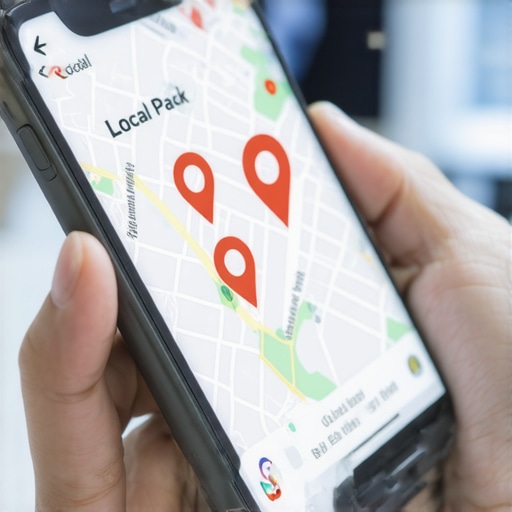
Winning Jobs Five Miles Away From Your Shop
Many of us get stuck in what I call the proximity trap. You rank for the house next door, but three miles away, you are a ghost. This happens because Google lacks ‘relevancy’ signals for those outer neighborhoods. To fix this, you need to stop thinking about your home office and start thinking about where the work actually happens. I started uploading photos of completed jobs—not just the finished sink, but the truck parked on a recognizable street in the next town over. This is how to leverage local photos to secure a local pack entry without needing a physical office in every zip code. Learning how to fix the proximity trap keeping you out of the map pack is about proving you are active in the areas you claim to serve.
Kill the Inconsistency Before It Kills Your Leads
Remember that mess I mentioned with the cheap citations? That is the one nap discrepancy that stealthily devalues your business listing every single month. NAP stands for Name, Address, and Phone Number. If your Facebook page says ‘Street’ and your Google profile says ‘St.’, it is like giving two different sets of directions to the same house. It confuses the algorithm. Cleaning this up is the data cleanup move that fixes inconsistent business listing details and rebuilds the trust you lost with those bot-written reviews. Google needs to be 100% certain you are who you say you are before they give you that coveted top-three spot.
Turn Your Google Profile Into a 24/7 Lead Generator
Once the data is clean, you have to start sparking action. Google watches how people interact with your listing. If they click your phone number, look at your photos, or ask a question, your ‘prominence’ score goes up. I started using 5 interaction tactics that actually move your business up the map pack, such as responding to every review within two hours and posting weekly updates about local projects. You should also be using how to use local service pages to support your map pack placement by linking your profile to specific pages on your site that mention the exact neighborhoods you are targeting. This creates a loop of local signals that the big franchises simply cannot replicate with their generic, corporate templates.One of the hardest pills to swallow in this game is realizing that Google doesn’t owe you a lead just because you have the most five-star ratings. I’ve watched hungry new businesses absolutely destroy long-standing local legends because they understood that why good reviews arent enough to rank business maps anymore is the new reality of the algorithm. Google is increasingly focused on ‘engagement’—that is, how many people click your profile, call your number, or request directions compared to your neighbors. If you have 500 reviews but a 1% click-through rate, and the guy next to you has 50 reviews but a 10% click-through rate, he’s going to win. This explains why your competitors with fewer reviews still win the map pack placement time and time again. The nuance here is that Google weighs ‘relevance’—how well your business matches the search—against ‘prominence’—how well-known you are. Many people focus only on prominence and ignore relevance signals like keywords in reviews, local service pages, and fresh photo uploads. If you miss the relevance part, your hidden mappack listing error will keep the phone from ringing even if you are technically appearing in the top three.
Why your business clock might be killing your leads
There is a massive trap I see service providers fall into constantly: the ‘set it and forget it’ approach to hours of operation. If your profile lists you as closed, you become a ghost for anyone searching after-hours. Google’s priority is the user experience, and sending someone to a business that isn’t answering is a bad experience. I’ve seen businesses lose 40% of their potential impressions simply because they didn’t realize why your stores hours of operation impact your map pack placement during peak search times. If you offer emergency services but your hours say 9-to-5, you are essentially telling Google to hide you when those high-value emergency calls actually happen. 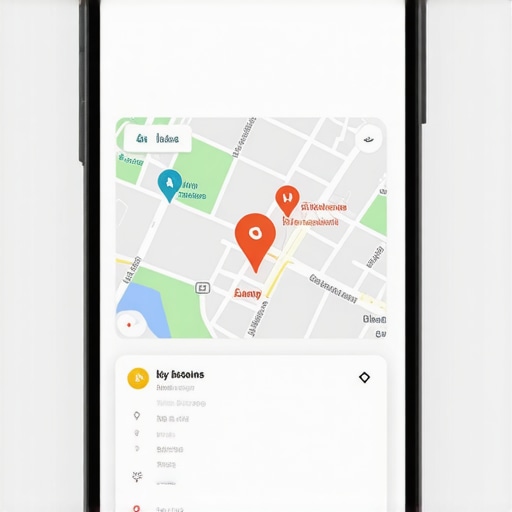 According to the 2023 Local Search Ranking Factors study by Whitespark, behavioral signals—like people clicking to call—are now a top-tier driver for a local pack entry. If you aren’t giving users a reason to click, such as high-quality recent photos or a compelling offer in your posts, you’re just taking up space. This is often the reason your business map pack views arent turning into sales. You have the visibility, but you have no ‘stopping power.’
Can you actually outrank a competitor who has dominated for years?
Yes, and it’s easier than you think because most incumbents get complacent. They rely on their old reputation while ignoring the 7 hidden ranking factors that actually control your map pack spot today, such as the frequency of new photo uploads and the speed of responding to Google Messages. Most established businesses stop posting updates and their response time to customer queries slows down. By being more active and using proven tactics to boost your map pack visibility today, you can signal to Google that your business is the more ‘fresh’ and relevant choice. You aren’t just fighting for a spot; you are fighting for the user’s attention. Have you ever fallen into the trap of thinking reviews were the only thing that mattered? Let me know in the comments.
Stop Guessing Where You Rank
When I first started, I would drive to a gas station three miles away just to see if my business appeared on my phone. It was a waste of time and gas. Now, I use a localized grid tool to see exactly where my visibility drops off. Learning how to use a google maps rank tracker to find competitor weak spots is what changed my perspective from ‘hoping’ to ‘knowing.’ I personally use a 13×13 grid search every Monday morning because it tells me exactly which neighborhood needs more of my attention. If I see a dip in the north side of town, I make sure my next three project photos are geotagged in that specific area. This isn’t just about data; it is about local dominance.
How do I keep my map pack placement solid every month?
Maintenance is the part where most of your competitors will fail. They get to the top, get comfortable, and then stop doing what got them there. You need a simple checklist for moving up in the business map pack every month that includes auditing your listing for ‘ghost edits’ from users or competitors. I’ve seen rivals try to change my phone number or business hours on Friday nights. If you aren’t watching, Google might accept those changes, leading to the one technical fix that restored our map pack placement in days after we caught a malicious edit. Staying on top means going from zero to top dominating business map pack rankings and then refusing to give an inch back. 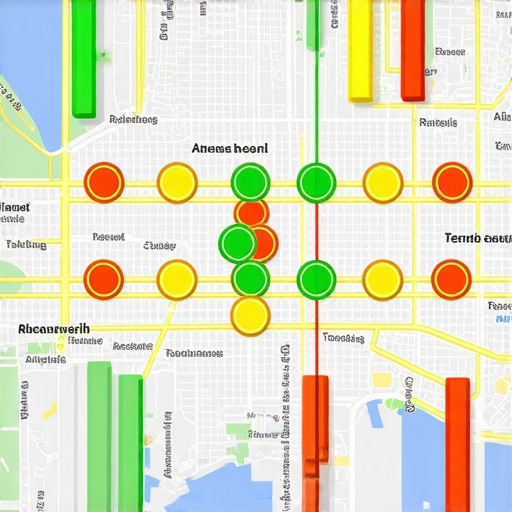
AI is Watching Your Job Site Photos
Looking ahead, the game is shifting toward visual AI. Experts at Sterling Sky have noted that Google’s Vision AI is getting incredibly good at identifying objects within the photos you upload. If you are a plumber but you keep uploading photos of your dog, Google knows. In the near future, I predict that ‘proof of work’—photos that show the actual tools, parts, and context of a specific service—will carry more weight than reviews. This is one of the core shifts in google maps seo for 2026 every local business needs to prepare for right now. You cannot fake expertise when an algorithm is literally ‘looking’ at the quality of your pipe welds or the brand of your HVAC unit to confirm your business category. My advice? Take five minutes today to find one photo of a job you did this week and upload it with a caption describing the specific problem you solved. It is a small move, but it is the exact type of signal that keeps the leads coming in while your competitors are still trying to buy fake citations.
The Hardest Lesson I Learned While Chasing the Top Spot
If there is one thing I wish I’d known three years ago, it is that Google’s algorithm is essentially a digital private investigator. It doesn’t just look at what you say about yourself; it looks at what the searchers actually do after they find you. I spent months focusing on the technical side, but I forgot that a mappack listing is ultimately about building trust before the phone even rings. You have to be the most reliable answer to a neighbor’s problem. I learned that consistency isn’t just about avoiding errors; it’s about showing up every single day with fresh content. If you stop feeding the machine, your competitors will happily take your seat.
#IMAGE_PLACEHOLDER_E#
Another major realization was that “perfection” is the enemy of progress. I used to wait until I had a professional camera to take job site photos. That was a mistake. Google actually loves the raw, geotagged smartphone photo because it proves your location and activity in real-time. This is how you secure a local pack entry even when you are competing against massive corporations with million-dollar marketing budgets. Real, local expertise beats polished corporate stock photos every single time.
My Secret Weapons for Dominating Local Search
I didn’t do this alone. I relied on a few key resources that I still check every Monday morning. First, I highly recommend checking out the ultimate blueprint for map pack placement success if you feel overwhelmed by the technical jargon. It breaks things down into manageable bites for any business owner. For my monthly routine, I follow a simple checklist for moving up in the business map pack every month. It keeps me from getting complacent while others are slacking. Finally, if you notice your phone isn’t ringing despite being visible, look into the small tweak to your business map pack that fixes zero click stats. It’s often the missing link between a view and a new customer.
Stop Being Invisible and Start Taking Your Jobs Back
You don’t need to be a tech genius to rank business maps and win the neighborhood. You just need to be the most active, honest, and relevant business in your zip code. The big franchises have the money, but you have the local heart and the direct connection to your customers. Start by fixing one thing today—perhaps an inconsistent phone number or a missing service category—and watch how the algorithm begins to favor you. Your map pack placement is a valuable asset, and it is waiting for you to claim it through consistent, small actions. Go out there and show Google why you are the best person for the job.
Which part of your Google profile has been the most frustrating to manage lately? Let me know in the comments below!