It was three days before Thanksgiving, and my favorite local bakery—a place that usually dominated the local map pack—suddenly vanished from the top results. I knew they hadn’t closed, but to Google, they might as well have been invisible. This wasn’t a glitch. It was the annual holiday algorithm shift, and it completely caught me off guard early in my career when I made the mistake of leaving a client’s business hours untouched during a major shopping week, causing their visibility to plummet. When the holidays hit, consumer behavior changes rapidly, and search engines instantly adjust their math. If you do not adapt, your rankings will tank. Today, I will show you exactly why these shifts happen and how to keep your business map pack presence steady when the winter rush begins.
Understanding the volatile nature of seasonal search is the first step to protecting your traffic. During the holidays, users aren’t searching the way they do in July. They are stressed, they are in a hurry, and they want answers immediately.
The Holiday Search Shakeup is Real
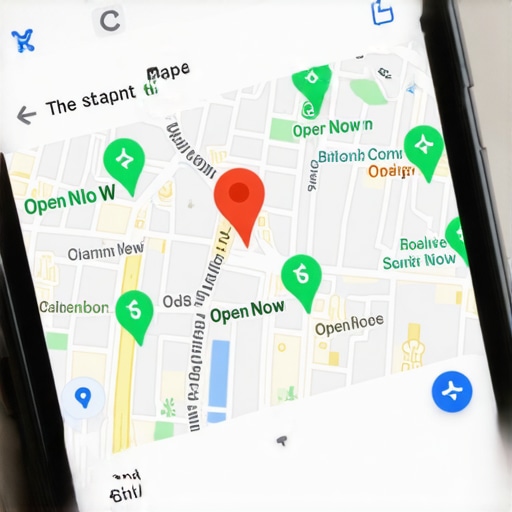
To keep your business at the top, you have to realize that Google prioritizes different signals when shopping behavior peaks. For instance, did you know that proximity signals actually weaken slightly during holidays in favor of real-time availability? Searchers care more about who is open *right now* than who is closest. If you want to rank business maps during this chaotic time, you have to feed the algorithm what it wants: fresh, accurate holiday hours and real-time stock updates. According to a Search Engine Land industry study, over 60% of searchers change their destination if they find out a business hours listing is incorrect.
Is seasonal map tracking actually worth the hassle?
You might be thinking that your local ranking will just bounce back in January once the holiday rush is over. But here is the cold truth: if you lose your hard-earned map pack placement in November, your competitors will steal your customers, rack up dozens of fresh holiday reviews, and build a massive momentum gap that will take you months to close. A temporary slip can easily turn into a permanent drop. Have you ever noticed your own mappack listing dropping in rank the moment a major holiday weekend begins? If so, you are definitely not alone, and it usually points to a few specific signals you forgot to update before the festive season kicked off.
Take Control of Your Live Hours and Attributes
To secure your spot, you must treat your Google Business Profile like a digital storefront window that changes daily. When I was managing the local map presence for a boutique toy store during the December rush, I made the mistake of setting their holiday hours once and forgetting about them. Within forty-eight hours, our competitors—who were actively updating their profiles with daily variations—bumped us down. I realized that Google’s algorithm crawls for ultra-fresh modifications during high-intent shopping weeks. If you do not touch your hours, the algorithm assumes you might be inactive or closed. To avoid this, you need to set your special holiday hours weekly, even if they do not change. This minor activity ping tells the search engine that your business is highly active. Another critical lever is your attributes. Adding seasonal attributes like ‘In-store pickup’ or ‘Curbside pickup’ acts like a beacon for search engines.
During the holiday season, customers prioritize convenience over everything else. Adding these quick-action attributes directly feeds the query filters people use when they need last-minute gifts.
Why editing your hours can sometimes cause temporary dips
Many business owners notice a slight wobble in their rankings right after making an update. If you have ever wondered why your map pack placement drops every time you edit your hours, it is usually because Google’s automated verification systems are running a quick background check on your consistency. To prevent this, ensure your website’s footer and your social media profiles display the exact same holiday hours before you make the change on Google.
Flood Your Profile with Real-Time Customer Proof
When shopping searches spike, searchers do not just look at your address; they look at what other people bought yesterday. This is where your review velocity and customer-uploaded photos come into play. During my toy store recovery project, I set up a simple SMS feedback loop that asked customers to share photos of their wrapped gifts. The result was a sudden influx of fresh, user-generated images. Google’s visual AI processes these uploads to understand what inventory you actually have in stock, which helps you how to rank business maps for open now filters and product-specific queries. You want real-time customer proof because it acts as social currency that search bots can read.
Gather reviews that mention specific holiday products
Generic ‘great service’ reviews do not help you rank for hot-ticket seasonal items. Instruct your staff to ask customers to mention specific products in their feedback. When a review says ‘best place to find stocking stuffers in Boston,’ Google connects those keywords to your local pack entry, making your business show up for highly specific, high-intent searches. If you are struggling with your visibility, you can use these methods to boost your map pack visibility today without spending a dime on ads. Let’s look closely at how your website’s technical health supports these fast-paced changes.
While general SEO advice tells you to build endless citations, that common wisdom can actually wreck your seasonal rankings. Most self-proclaimed experts insist that citation volume is the primary metric to defend your position. However, in my experience, chasing volume is a massive waste of energy. Google has evolved. Today, high-volume, low-quality directories just create massive data inconsistencies that confuse the search engine when it tries to verify your holiday hours.
Why You Should Stop Relying on Static Citation Counts
Everyone says you need hundreds of directory links to maintain a secure local pack entry, but Google’s core algorithm values contextual relevance and real-time behavioral data over static directory mentions. A single high-authority mention from a local neighborhood news site can do more to help you rank business maps than fifty spammy directory listings. When you flood the web with automated listings, you increase the risk of creating duplicate entries, which can silently demote your mappack listing right when holiday traffic peaks.
Are your service radius settings secretly hiding your profile?
Many business owners expand their service radius in their dashboard during the winter months, thinking it will help them capture far-away shoppers. This is a classic trap. In reality, setting an excessively wide service area signals to Google that you do not have a strong local focus. This blunder is one of the main reasons why your service radius is killing your local pack entry when shoppers nearby are actively searching for quick solutions. Instead of widening your radius, consolidate your efforts to a tight, highly optimized local zone where you can easily dominate proximity signals.
The Danger of Over-Optimizing Your Business Name for the Holidays
Another dangerous trap is temporary keyword stuffing. It is tempting to change your official business name to include words like ‘Holiday Toy Shop’ or ‘Christmas Gift Center’ to capture seasonal search volume. Do not do it. A study by local SEO community leaders confirms that sudden, dramatic changes to your core brand name trigger manual review flags, leading to instant suspension. Even if you avoid suspension, you will likely cause your hard-earned map pack placement to plummet due to inconsistent branding across the web. Keep your name clean, precise, and identical to your physical signage. Have you ever fallen into this trap or noticed a competitor doing it? Let me know in the comments below.
Now that you know how to avoid the common pitfalls like over-optimizing your business name and setting an unrealistic service area, let us talk about long-term maintenance. Keeping your business at the top of the search results is not a set-it-and-forget-it chore. It requires a dedicated workflow and the right set of diagnostic tools.
The Diagnostic Tools I Personally Trust Every Week
I do not rely on expensive, bloated platforms that promise to automate everything. When I need to track a map pack placement, I use specialized local rank trackers like Local Falcon or BrightLocal. These tools perform geo-grid tracking, which is essential because search results change dramatically depending on whether a searcher is standing inside your lobby or three blocks away. This is the only way to get a realistic picture of your desktop versus mobile performance differences.
For local data cleanup, I always turn directly to the Google Business Profile API to check for stealth modifications. Competitors can suggest edits to your phone number or business category without your consent, and Google’s automated system sometimes silently approves them. To stay on top of this, you must run a routine audit. If you want to skip subscription costs entirely, you can learn how to audit your map pack placement without subscription software by leveraging Google Search Console data alongside manual incognito searches from localized GPS coordinates.
How do I maintain my map pack ranking over time?
The secret to keeping your local pack entry stable is consistent, low-friction optimization. Instead of updating twenty things once a year, you need to execute small, regular actions. I recommend a simple monthly checklist: upload three fresh, high-resolution photos taken inside your store, respond to every review within twenty-four hours using natural phrasing, and publish two updates using Google Posts. If you neglect these actions, you will see that your map pack placement drops after you stop posting updates because the algorithm flags your profile as dormant.
The Future of Local Map Pack Signals
Looking ahead, local search is moving rapidly toward direct transactional verification and semantic AI analysis. According to Google’s official developer documentation on local search quality guidelines, the algorithm is relying less on simple directory links and much more on real-time user engagement and semantic proof. Soon, businesses that integrate live inventory systems directly with their profiles will easily outperform competitors relying on basic keyword strategies. To secure your future mappack listing, prioritize converting your profile into a live, interactive utility for searchers.
If you want to keep your rankings safe from seasonal shifts and sudden updates, try implementing this one advanced tip today: set up a localized automated review loop that prompts happy customers to specifically mention your location and core services. Take action right now and see the difference in your visibility.
When the winter rush hits, you cannot afford to let your digital storefront fade into the background while competitors scoop up your local customers.
The Hardest Lessons I Learned Managing High-Volume Local Pack Entries
Over the years, managing local visibility taught me that traditional search engine optimization tricks fall apart during major seasonal shifts. Here are the core realizations that changed my entire approach to managing a healthy map pack placement:
- Algorithms prioritize action over history: A business that has ranked first for three years can easily lose its spot to a newer competitor who actively posts real-time holiday updates and inventory changes.
- Data consistency must be absolute: If your social media profiles, website footer, and Google profile show conflicting holiday hours, automated verification crawlers will lower your positioning to protect user experience.
- Proximity is dynamic: Proximity signals bend based on searcher intent. During holidays, people actively filter for businesses that are open immediately, meaning you can easily rank business maps for open now filters if you keep your active operational hours flawlessly updated.
The Diagnostic Tools I Keep in My Daily Workspace
To successfully navigate volatile search periods, I rely on a highly specific, stripped-down set of tools. These resources help me keep client profiles optimized without wasting time on bloated, expensive monthly platform subscriptions:
- Local Falcon: This is my absolute favorite tool for running localized geo-grid tracking. It shows exactly how a profile performs street-by-street so you can identify if your rank is dropping just a block away.
- Google Search Console: I use this to inspect real organic search queries. If you notice a sudden rise in local searches for specific seasonal items, you can immediately update your profile attributes to capture that high-intent traffic.
- Manual GPS Locators: To truly understand user experiences, I use GPS spoofing extensions in incognito mode. This is one of the best ways to learn how to audit your map pack placement without subscription software.
Your Blueprint to Dominate the Local Search Grid This Winter
Now is the time to take control of your digital presence before the seasonal rush shifts your rankings. Do not wait for your competitors to optimize their profiles first. Take ten minutes today to verify your holiday hours, update your regional attributes, and invite your most loyal customers to post fresh reviews. Consistently executing these simple, low-friction tasks will solidify your mappack listing at the top of local search results.
Have you ever noticed your business rankings drop during a holiday weekend? Let me know what happened and how you fixed it in the comments below!