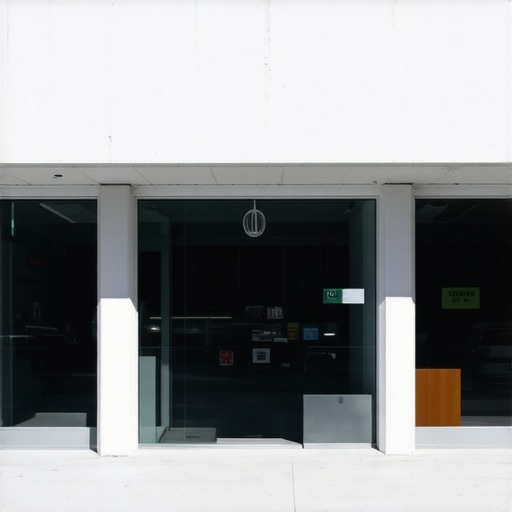
I’ll never forget the rainy Tuesday afternoon when a potential client called me, sounding completely flustered, because they were standing in front of a dry cleaner that had been closed for three years. My office was right next door, but my mappack listing was still showing a Google Street View image from 2019. I had spent so much time trying to rank business maps using keywords and backlinks, yet I completely ignored the very first thing a human being looks at: the building. That moment was a wake-up call. I realized that while I was winning the ‘algorithm’ game, I was losing the ‘real person’ game. Today, I’m going to show you why those ground-level exterior shots aren’t just a nice-to-have—they are the literal bridge between a search result and a sale. We’re going to fix your local pack entry so it actually looks like a business people can trust.
Stop Hiding Behind Old Street View Data
I made a massive mistake early on by assuming Google’s automated cars would do the work for me. I figured if the Street View was ‘close enough,’ it wouldn’t matter. Wrong. Google’s own business profile guidelines specifically mention that businesses with photos receive 42% more requests for directions. When you rely on the default map view, you’re essentially letting a robot take a blurry, drive-by photo of your life’s work. By taking your own ground-level photos, you control the narrative. You show the signage, the parking situation, and the ‘vibe’ of the neighborhood. It’s one of those proven tactics to boost your map pack visibility that actually changes how people perceive your brand before they even hop out of their car. Have you ever felt like your business was invisible despite having a business map pack spot?
Is high-end photography actually worth the hype for a local map?
You might be worried that you need a $2,000 DSLR to make this work, but honestly? Your smartphone is more than enough if you know what to aim for. The goal isn’t ‘art’; it’s ‘orientation.’ You see the clicks in the dashboard, but the phone isn’t ringing. Usually, it’s because the visual ‘handshake’ is missing. You need to stop focusing exclusively on chasing citations and start looking at what your customers see when they look at their screens. In the next section, I’ll walk you through the specific angles you need to hit to make sure your map pack placement actually converts.
Grab Your Phone and Head Outside
The biggest mistake I see is business owners treating their profile like a static billboard. It is actually a living map. To rank business maps effectively, you need to provide a visual trail of breadcrumbs. Think of your photos as a GPS for a human brain. Most people are anxious about finding a new place; if they cannot see exactly where to park or which door to enter, they keep scrolling. I once worked with a boutique gym tucked away in a converted warehouse. They had great reviews, but their local pack entry was basically a photo of a brick wall because the Street View car missed their entrance. We uploaded three specific shots: the main road turn-in, the parking lot, and the front door with their logo clearly visible. Within a week, the owner told me the phone calls asking for directions stopped and the walk-ins started.
Nail the Three-Shot Sequence
You do not need a film crew. Start at the curb. Capture the whole building so people recognize it at 30 miles per hour. This is one of those expert tips to boost your business map rank that people ignore because it feels too simple. Next, walk to the front door. This ‘approach’ shot is vital. It bridges the gap between ‘I am at the address’ and ‘I am in the right place.’ Finally, take a clear shot of your signage during the day. This helps your mappack listing stand out because most competitors just have that generic gray pin. 
Use Landmarks to Anchor Your Location
If your office is hard to find, use the best way to mention nearby landmarks by literally including them in your photo backgrounds. If there is a big golden arches sign or a famous statue nearby, get it in the edge of your frame. It anchors your location in the customer’s mental map. This is far more effective for map pack placement success than any keyword-stuffed description. When you help Google and users associate your front door with a known landmark, your business map pack authority climbs because you are providing real-world signal data.
Let Customers Do the Marketing for You
Google loves engagement. While you are at it, you should encourage your customers to upload photos as well. A professional shot is great for the cover, but a candid photo of a happy customer inside your shop is pure gold for trust. It proves your profile isn’t just a bot-generated ghost town. I have seen profiles jump from the fourth spot into the top three just by adding a video of the owner saying hello, which is a great local pack entry hack most businesses are too shy to try. You want the profile to feel active, not abandoned.But let’s look past the surface because even a perfectly active profile can fail if you’re ignoring the deeper mechanics of local search. Most SEO ‘gurus’ will tell you that the secret to a top-tier business map pack spot is building hundreds of citations on obscure directories. Honestly? That’s 2015 advice. In my experience, you can have the cleanest data in the world and still get buried. This is why your citations alone won’t improve your map pack placement in competitive niches. Google has shifted toward user behavior. According to the Whitespark Local Search Ranking Factors survey, ‘behavioral signals’ like click-through rates and direction requests are now massive drivers for success. If people aren’t clicking your local pack entry, Google assumes you aren’t relevant. This is exactly why ranking business maps requires more than just standard SEO today.
Can your website performance actually tank your map ranking?
It sounds crazy, but your desktop and mobile site performance are tethered to your results. I’ve seen businesses lose their top-three spot simply because their homepage took five seconds to load. Understanding why your local pack entry depends on your website’s loading speed is vital. If the ‘Website’ button on your profile leads to a slow, buggy experience, Google notices the high bounce rate and demotes your mappack listing to protect the user. 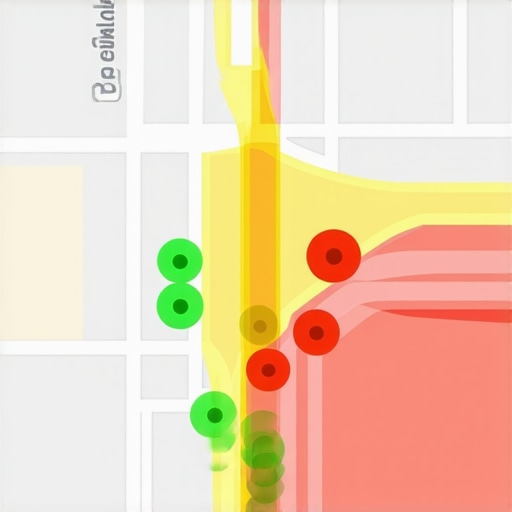
Avoid the Deadly Virtual Office Trap
Another massive mistake I see sophisticated marketers make is trying to scale too fast using virtual offices. It’s a classic ‘advanced’ trap. You think you can snag a local pack entry in a neighboring city by renting a P.O. Box. Google’s AI has become incredibly proficient at identifying these ‘ghost locations.’ According to studies by experts like Sterling Sky, Google is aggressively filtering out businesses that don’t have a dedicated physical presence. This is the risk of using virtual offices for map pack placement that often leads to permanent suspension.
Escape the Proximity Sinkhole Before It Kills Your Leads
The biggest ‘oops’ factor involves what I call the proximity sinkhole. You might be fixing the proximity error that blocks your local pack entry without realizing it was the culprit. If you set your service area too wide, you dilute your authority. By tightening the radius to where you actually work, your map pack placement usually skyrockets in those specific neighborhoods. This is one reason why you should ignore most map pack placement techniques you see online that focus on broad volume over local density. Finally, there is a strong link between website backlinks and local pack entry success. High-quality local links from a chamber of commerce act as a digital ‘vouch’ for your physical location. Have you ever fallen into this trap of focusing on the wrong metrics? Let me know in the comments.Falling into the ‘set it and forget it’ trap is the fastest way to see your hard-earned traffic vanish. I’ve seen businesses hit the top spot, pop the champagne, and then stop touching their profile entirely. Six months later, they are calling me because their local pack entry has slid to the second page. The truth is that map pack placement is a game of momentum. If you aren’t feeding the beast, Google assumes your business is less relevant than the hungry competitor down the street who is posting weekly. This is exactly why your map pack placement drops after you stop posting updates; the algorithm interprets silence as stagnation.
How do I keep my map rankings from dropping over time?
I personally set a recurring calendar invite for the first Tuesday of every month to perform a ‘health check.’ This isn’t just about looking at the dashboard; it’s about making sure the data reflects reality. You should be checking why your business map pack profile needs fresh attributes monthly, such as new accessibility features or updated payment methods. Google frequently adds niche-specific attributes, and being the first in your area to check those boxes gives you a subtle but powerful edge. I also use the simple tool that checks your mappack listing health to ensure there are no ‘suggested edits’ from competitors sitting unaddressed in the backend.
Tools That Won’t Break the Bank or Your Brain
People often ask if they need to spend $500 a month on enterprise-level tracking software. For most local owners, the answer is no. You can actually learn how to monitor map pack placement without expensive software by simply using a clean incognito browser and a localized search tool like the GS Location Changer. My favorite ‘secret weapon’ is actually just a simple spreadsheet where I track the mappack listing click-through rates. According to the Google Search Central documentation on Local Business structured data, providing high-quality, specific metadata helps the engine match your business to very specific queries. This is why I obsess over the only map pack placement metric that actually matters for ROI: actual phone calls and direction requests, rather than just ‘impressions.’ 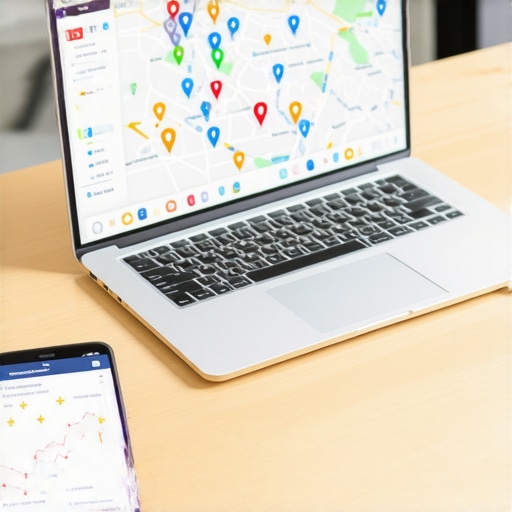
Where Local Search is Heading in 2025 and Beyond
Looking ahead, I predict that ‘visual search’ and AI-driven summaries will dominate how we rank business maps. We are moving away from simple keyword matching and into a world where Google’s ‘Gemini’ AI reads the text in your photos and the sentiment in your reviews to decide if you are a ‘vibe’ match for the user. Because the role of user behavior in map pack placement success is only going to grow, you need to focus on engagement. If I could give you one advanced tip to try today, it’s this: go into your advanced settings and implement store codes. Even if you only have one location, treating your profile with that level of technical detail tells Google you are a serious, professional entity. It’s a small move that separates the amateurs from the local leaders.
The Hardest Lesson I Learned About How to Get Found Locally
One thing I’ve learned after years in this game is that Google values reality over optimization. You can have the perfect keywords, but if a customer walks into your shop and finds it doesn’t match your local pack entry, the data will eventually catch up with you. Authenticity is the ultimate algorithm hack. I’ve realized that why most small businesses struggle with map pack placement often comes down to trying to look bigger than they are, rather than focusing on being the best in their immediate square mile. Real photos, real replies, and real hours of operation are what build the trust that Google craves. I used to think I could outsmart the system with technical tweaks, but the real lightbulb moment was realizing that business map pack success is just a digital reflection of physical excellence. If you treat your profile like a real storefront, the ranking takes care of itself.
The High-Impact Toolkit I Use Every Single Week
I don’t believe in cluttering your workflow with dozens of paid subscriptions. Instead, I rely on a few high-impact resources. First, I always keep an eye on the simple tool that checks your mappack listing health because it catches those tiny errors that humans miss, like a stray character in your phone number. For daily tracking, I stick to how to monitor map pack placement without expensive software by using simple browser extensions that spoof my GPS. Finally, I stay grounded in the fact that why ranking business maps requires more than just standard SEO is because the rules change every time Google updates its AI. I trust the official Google Business Profile community forums and the data from the Whitespark Local Search Ranking Factors report for the most up-to-date, non-fluff advice.
It’s Time to Claim Your Spot on the Map
Success in local search isn’t a destination; it’s a habit. By cleaning up your visuals, engaging with your community, and staying consistent with your data, you are doing more than just chasing a number—you are building a digital storefront that welcomes people in. It is your turn to rank business maps with confidence and watch as those clicks turn into handshakes. You have the tools and the strategy; now you just need to take that first photo and post that first update. Have you ever noticed a sudden drop in your mappack listing rankings after a long period of inactivity? Let me know your experience in the comments below!